
Wall Street has seen its fair share of scandals over the years, but few are as unsettling as the downfall of Kenneth Leech, a man once regarded as one of the most respected bond investors in America. For decades, pension funds, institutions, governments, and ordinary investors trusted him with billions of dollars. He wasn’t some obscure operator running a questionable investment outfit from the shadows. He sat at the top of one of the country’s largest fixed-income firms, helping shape investment decisions that affected countless clients. Today, that same man stands convicted of obstructing a federal investigation into allegations that he manipulated trades in a scheme prosecutors say shifted hundreds of millions of dollars between clients.
Stephen Kenneth Leech II, better known throughout Wall Street as Ken Leech, built a reputation as a bond market heavyweight during his time at Western Asset Management. As the firm’s co-chief investment officer, he oversaw major investment strategies and managed money on behalf of institutions that depended on the firm to act in their best interests. He was considered one of the industry’s safest pairs of hands. That image collapsed when federal investigators and regulators began examining how trades were being allocated inside Western Asset.
According to the Securities and Exchange Commission and federal prosecutors, Leech engaged in what is known as “cherry-picking” between January 2021 and October 2023. The practice involves executing trades, waiting to see how they perform, and then deciding which clients receive the winning positions and which are left with the losing ones. Prosecutors allege Leech delayed assigning certain trades until after he had enough information to determine whether they had generated profits or losses. Once those outcomes became apparent, profitable trades allegedly found their way into favored portfolios while losses were pushed onto other clients who had every reason to believe they were being treated fairly.
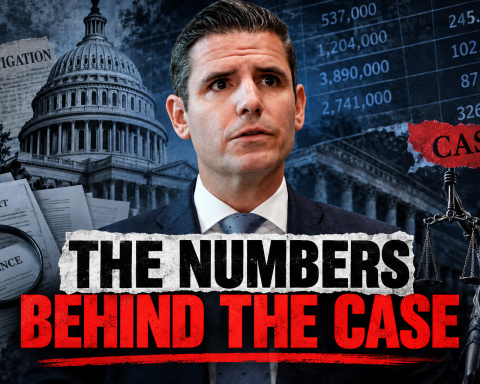
The numbers attached to the allegations are staggering. Authorities claim that favored accounts received more than $600 million in net first-day gains through the allocation process. At the same time, other clients allegedly absorbed more than $600 million in net first-day losses. These weren’t tiny discrepancies hidden deep inside complicated spreadsheets. Investigators described a pattern that, if proven, represented a profound betrayal of fiduciary responsibility. Clients who trusted Western Asset to act impartially may instead have been placed into a system where some investors won while others unknowingly paid the price.
The portfolios that allegedly benefited included Western Asset’s Macro Opportunities strategy, which had reportedly struggled following losses linked to Russian debt investments and exposure tied to Credit Suisse. Prosecutors contend that steering profitable trades into these portfolios boosted their performance and helped soften the appearance of previous setbacks. Better performance often translates into stronger asset retention, improved reputation, and compensation benefits for those overseeing the strategies. While regulators have not publicly quantified exactly how much Leech personally gained, the SEC argued that he had incentives beyond simply helping certain clients.
When prosecutors unveiled the criminal case against Leech, it appeared he was headed toward one of Wall Street’s biggest fraud trials in years. He was charged with investment adviser fraud, securities fraud, commodity fraud, commodity trading adviser fraud, and making false statements. Some of those charges carried maximum prison sentences of up to 20 years. The indictment portrayed Leech as a sophisticated insider who used his authority over trade allocations to benefit select accounts while violating the duties he owed to others.
Then, just days before trial was set to begin, the case took an unexpected turn.
In June 2026, Leech pleaded guilty, but not to the fraud allegations that had dominated headlines. Instead, he admitted to obstructing an SEC proceeding. According to prosecutors, during sworn testimony before SEC investigators in March 2024, Leech knowingly provided false and misleading answers as regulators attempted to determine whether cherry-picking had occurred. The plea agreement meant the government would dismiss the more serious fraud charges, allowing Leech to avoid the possibility of spending decades behind bars if convicted at trial.
The obstruction charge carries a maximum sentence of five years in prison, although prosecutors have reportedly agreed to recommend a sentence in the range of six to twelve months under federal guidelines. Sentencing is expected later this year. For some, the guilty plea represents a measure of accountability from a once-powerful Wall Street figure. For others, it raises uncomfortable questions about whether the final outcome adequately reflects the scale of the underlying allegations that first shocked the investment world.
The fallout from the scandal extended well beyond Leech himself. Western Asset Management placed him on leave after the allegations surfaced and he eventually departed the firm altogether. The SEC later concluded that the company failed to adequately supervise the conduct at issue. Without admitting or denying the regulator’s findings, Western Asset agreed to pay $100 million to settle the SEC’s case against it.
The damage to the firm’s reputation proved even more costly. Reports indicate Western Asset suffered more than $150 billion in long-term net outflows after news of the investigations became public. Institutional investors, retirement plans, and other clients pulled their money from the firm in massive numbers. Years spent building trust with investors unraveled in a remarkably short period of time.
Despite the scale of the allegations, Kenneth Leech remains the only individual criminally charged in connection with the case. No criminal charges have been announced against other Western Asset executives, Franklin Templeton leadership, or portfolio managers associated with the affected strategies. Regulators, however, criticized the firm’s supervisory failures and suggested warning signs should have been identified sooner.
Today, the 71-year-old former bond executive is no longer one of Wall Street’s most influential investors. He has left the firm where he built his reputation, pleaded guilty to obstructing the very investigation examining his conduct, and now awaits sentencing in federal court. There is no indication that he currently holds a position at another major investment company.
What makes this case particularly troubling is that it wasn’t built around fake businesses, fabricated products, or grand promises of impossible returns. The allegations strike at the heart of the relationship between investors and the professionals entrusted to manage their money. Every client assumes they will be treated fairly. They trust that opportunities and risks will be allocated honestly and that the person making decisions on their behalf isn’t quietly deciding who deserves the gains and who absorbs the losses after the fact.
Kenneth Leech has not admitted to carrying out the alleged cherry-picking scheme itself. His guilty plea was limited to obstructing investigators who were trying to determine whether that misconduct occurred. But regardless of how history ultimately judges the allegations that remain unresolved, the downfall is undeniable. A man once celebrated as one of the brightest minds in bond investing now faces sentencing as a convicted felon, his career destroyed and his legacy forever tied to one of Wall Street’s most damaging breaches of trust in recent years.
————-
Disclaimer:
Some content on Reportingscams.com is published under our guest post program and is provided by third-party contributors. Reporting scams does not create, verify, or take responsibility for the views, accuracy, or claims expressed in such content.