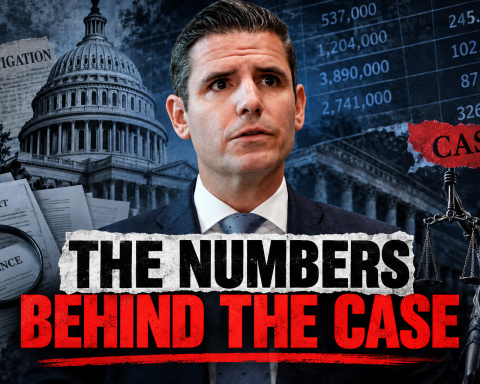
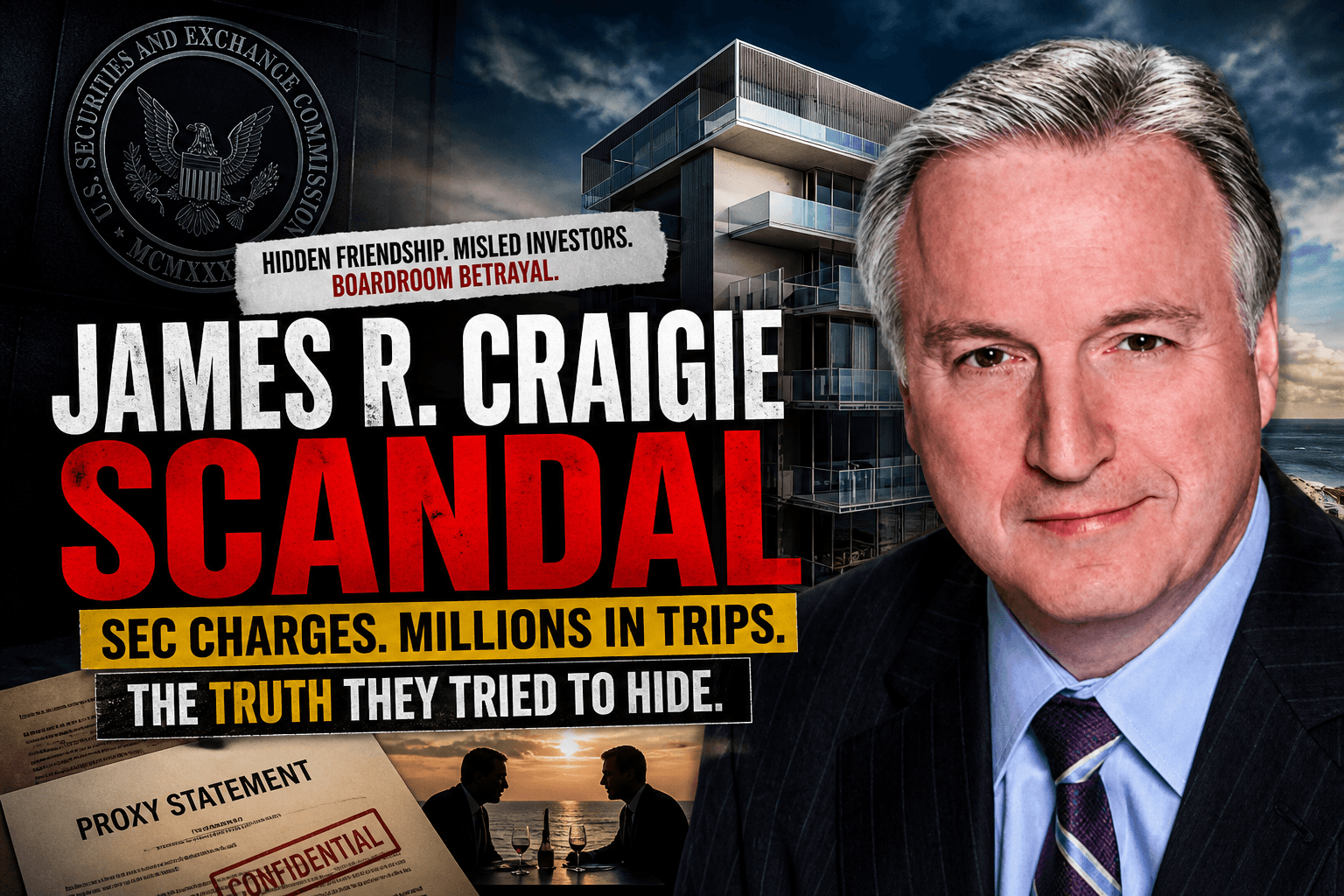
For years, the idea of an “independent director” has been sold as a safety net for investors. Someone who sits in the boardroom with no hidden loyalties, no personal ties clouding judgment. It sounds clean on paper. In reality, it often depends on trust more than proof. That trust took a hit in 2024 when the U.S. Securities and Exchange Commission charged James R. Craigie over a relationship he never disclosed. What looked like a quiet omission turned into something far more uncomfortable once the details came out.
Craigie was not new to the system. He helped run Church & Dwight for years, built his reputation inside corporate circles, then stayed on as chairman before becoming what investors were told was an independent director. That label carries weight. It tells shareholders this person is neutral, someone who can challenge decisions without bias. The problem here was that the neutrality being presented was not the full picture.
The relationship at the center of the case did not appear overnight. It started years earlier and slowly moved beyond work. By the time regulators stepped in, it had become something closer to a personal bond than a professional connection. There were trips, repeated ones. Not the kind where people cross paths at a conference. These were planned vacations across countries and continents. Families involved, time spent together, patterns that do not go unnoticed once you start looking closely.
Between early 2020 and early 2023, Craigie paid more than one hundred thousand dollars to cover travel for this executive and the executive’s spouse. Flights, hotels, the kind of expenses that add up when trips are frequent and far. What stands out is not just the money but the consistency. It was not a one time gesture. It was repeated over time, creating a relationship that looked very different from what was being described in official filings.
And that is where things start to shift from awkward to serious. Every year, directors are asked a simple question in formal questionnaires. Do you have any relationships that could affect your independence. Craigie answered no. Not once, but across multiple years. That answer carried through into proxy statements that investors rely on. On paper, everything looked clean.
According to regulators, it was not.
The SEC complaint describes moments that feel less like oversight and more like deliberate silence. At one point, Craigie discussed with the executive what explanation he should give colleagues while they were traveling together, so their connection would not raise questions. It is a small detail, but it says a lot. People do not usually plan cover stories for relationships they believe are harmless.
At the same time, Craigie stayed involved in board decisions that mattered. In early 2022, the company began thinking about its next CEO. Succession planning is one of the most sensitive processes inside any company. It shapes the future. It also depends heavily on trust in the people making those calls.
The same executive he shared a close relationship with was being considered for the role.
Despite that, Craigie did not step back. He remained part of the discussions. Regulators say he shared internal details about the process with the executive. There were conversations about how things might play out, who might step in, and what path could open up. At one stage, there was even talk about bringing in another person as a temporary leader, someone who could hold the position before handing it off. It is the kind of behind the scenes maneuvering that rarely becomes public unless something goes wrong.
Eventually, something did.
In early 2023, the board found out about the relationship. The reaction was immediate. The CEO succession process was paused. A special committee was formed. Questions that had never been asked suddenly had to be answered. How long had this been going on. Who knew. What decisions might have been influenced.
The conclusions were not subtle. Craigie had not disclosed a relationship that should have been disclosed. He had shared information he was not supposed to share. The independence he was presented as having no longer held up under scrutiny. His status as an independent director was removed.
Even during the investigation, things did not settle down. Craigie reportedly sent a handwritten note to the executive about the situation, suggesting it be destroyed after reading. That detail feels almost out of place in a modern corporate case, but it adds another layer. It shows awareness. It shows that by that point, this was no longer being treated as routine.
By late September 2024, the SEC stepped in formally. Craigie agreed to settle the case without admitting or denying the allegations. He paid a civil penalty of one hundred seventy five thousand dollars. More significantly, he accepted a five year ban from serving as an officer or director of a public company. For someone who spent years in those roles, that part lands harder than the fine.
What makes this case stick is not the scale of money or some dramatic collapse. It is how ordinary it feels at the start. A relationship. A few trips. A decision not to mention it. Then slowly, it builds into something that affects how a company is run at the highest level.
In corporate environments, relationships are everywhere. People trust those they know. They bring in familiar faces. That part is not unusual. What this case shows is how quickly that familiarity can turn into a problem when transparency disappears.
For investors, it is a reminder that not everything important shows up in numbers. Some risks sit in the background, hidden in relationships that never make it into filings. For executives, the message is more direct. If something feels like it might need explaining, it probably does.
Craigie’s career does not vanish because of this. His years of leadership still matter. But the story around it has changed. It is no longer just about what he built or managed. It now includes what he chose not to say, and how that silence played out.
In the end, the case is less about one person and more about how fragile the idea of independence can be when it depends on honesty that is never tested.
————-
Disclaimer:
Some content on Reportingscams.com is published under our guest post program and is provided by third-party contributors. Reporting scams does not create, verify, or take responsibility for the views, accuracy, or claims expressed in such content.