The offer was almost too good to refuse. Next Generation Cryptocurrency Backed By Real Assets Protected by Billion Dollar Insurance Policy Designed to Outperform Bitcoin Backed by Experienced Executives Investors were told they had the chance to get in early on what was billed as the future of digital finance. Much of that story was fiction, according to the U.S. Securities and Exchange Commission.
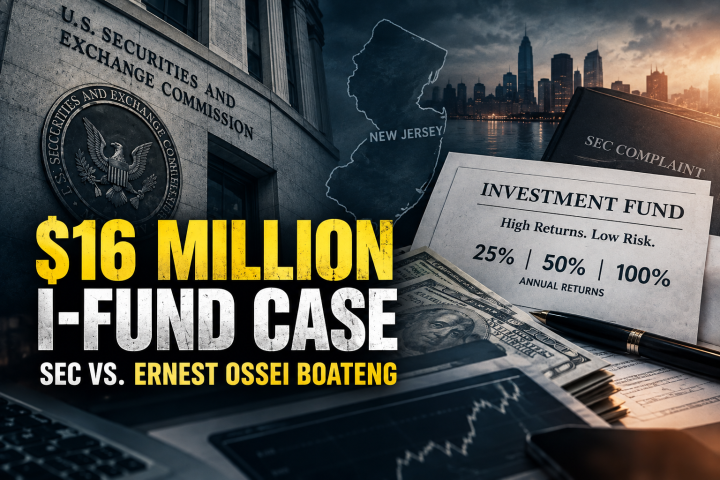
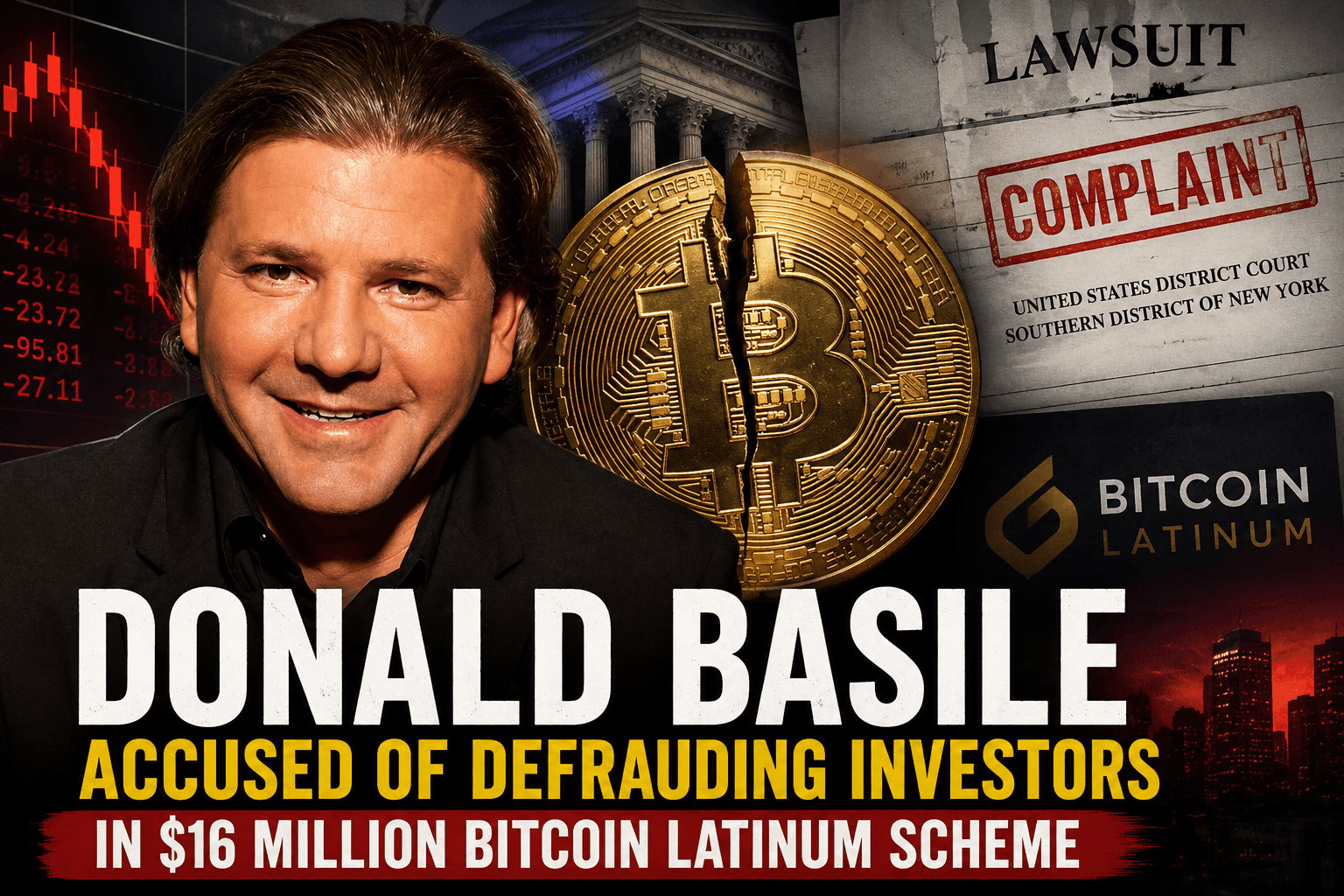
In April 2026, the SEC filed a civil fraud complaint against Donald G. Basile, founder and former CEO of Bitcoin Latinum, alleging he orchestrated a multi-year scheme that raised over $16 million from investors through false and misleading statements. The regulator alleges Basile promoted Bitcoin Latinum as a revolutionary cryptocurrency while hiding the fact that many of the top selling points of the project simply weren’t there.
A federal lawsuit filed by the SEC in New York paints a picture of a cryptocurrency venture built on aggressive marketing but underpinned by lies. Instead of delivering the kind of safe, asset-backed digital currency investors thought they were buying, regulators say Basile spun an elaborate tale overstating the project’s financial strength, partnerships and security, while diverting investor money for personal expenses.
Bitcoin Latinum came about in 2020 or thereabouts, one of the busiest times in the history of cryptocurrencies. Digital assets were receiving unprecedented attention, institutional investors were starting to enter the space and there were a multitude of new blockchain projects fighting for capital. The SEC says Basile tried to leverage that excitement by marketing Bitcoin Latinum as a superior alternative to Bitcoin. Marketing materials described the token as faster, greener and more secure, and said it would be backed by real-world assets and substantial insurance that would supposedly protect investors.
At the heart of the SEC’s charges are allegations involving a private fundraising effort through Simple Agreements for Future Tokens, or SAFTs. Investors bought these agreements in expectation of receiving Bitcoin Latinum tokens later, when the project would mature. The complaint states that between 2020 and 2022, these offerings raised more than $16 million.
The SEC claims Basile repeatedly told potential investors that Bitcoin Latinum was backed by billions of dollars of tangible assets including real estate and precious metals. Promotional materials also allegedly claimed that the project had a $1 billion insurance policy to protect token holders from losses. Neither picture was accurate, investigators say.
The complaint said the alleged billion-dollar insurance policy did not exist. The SEC also says Bitcoin Latinum did not have the substantial portfolio of backing assets described in investor presentations. Regulators said those claims were key to convincing investors that the cryptocurrency was far less risky than rival digital assets.
The complaint also challenges many of Basile’s public statements about the commercial success of the project. Investors were allegedly told that Bitcoin Latinum had signed major partnerships, been listed on major exchanges and widely adopted by corporations. “Many of these announcements, the SEC charges, either exaggerated existing relationships or discussed agreements that never came to fruition. Regulators say Basile oversold the project, making it appear more advanced than it was, creating the illusion of momentum and encouraging more investment.
But the SEC says investor funds were diverted for reasons that had little or nothing to do with developing Bitcoin Latinum, aside from the marketing it alleges was misleading. The funds raised from investors were used to pay Basile’s personal credit card bills, purchase real estate, and purchase a horse worth some $160,000, the complaint alleges. The regulator says the spending was in direct contradiction of the company’s representations to investors that their money would go toward expanding the cryptocurrency ecosystem.
The SEC also says Basile shuffled investor money between different entities he controlled in ways that hid how the money was actually being used. The complaint names Monsoon Blockchain Corporation and GIBF GP Inc., among others, companies that it claims helped promote or handle parts of the Bitcoin Latinum offering. Regulators say these companies were part of a broader structure through which investors’ money flowed, often without investors knowing exactly how their capital was being used.
Donald Basile has been in the cryptocurrency industry for a while. Prior to launching Bitcoin Latinum, he had built a career in technology and business leadership, holding executive positions at several companies in software, telecommunications and blockchain ventures. His professional background allowed him to be positioned as an experienced entrepreneur to run a sophisticated digital asset project. That credibility, the SEC said, was among the main reasons for investors’ confidence in the offering.
The regulator’s complaint alleges a pattern of statements that allegedly gave investors false confidence in the financial health and prospects of the project. The SEC said Basile repeatedly emphasized stability, security and institutional credibility, rather than the speculative appeal typically found in cryptocurrency markets. Those themes set Bitcoin Latinum apart from many competing projects, while also making the alleged misrepresentations more significant.
The SEC seeks permanent injunctions barring Basile from future violations of federal securities laws, disgorgement of alleged ill-gotten gains, prejudgment interest and civil monetary penalties. Should it win, the agency also wants the court to bar him from participating in certain future securities offerings. But at this stage the litigation is still a civil enforcement action and allegations have not yet been proven in a court of law.
Unlike a handful of high-profile cryptocurrency cases that ultimately resulted in criminal charges, the Bitcoin Latinum case now centers around the SEC’s civil complaint. At the time the lawsuit was filed, there had been no public announcement of any federal criminal charges against Basile stemming from the allegations described by the SEC. Civil enforcement cases require a lower standard of proof than criminal cases . Civil enforcement actions are primarily focused on protecting investors , levying financial penalties and preventing future violations rather than imprisonment .
Much of what the complaint alleged had been reported publicly after the SEC filing. Financial news media focused on regulators’ allegations that investors were misled about the existence of insurance coverage, asset backing and commercial partnerships and highlighted the purported diversion of investors’ money toward personal purchases. The case soon became another example cited by regulators as part of their ongoing scrutiny of cryptocurrency fundraising during the industry’s rampant growth.
The Bitcoin Latinum lawsuit also points to a larger shift in regulatory priorities. You see, during the cryptocurrency boom, a lot of projects were based on promotional campaigns that mixed optimistic marketing with facts. As enforcement actions have increased, regulators have been more willing to look at whether investors were misled about fundamental aspects of a project’s operations, not just whether securities laws were broken. Claims around insurance protection, asset reserves and commercial adoption have become areas of particular interest because they directly affect how investors perceive risk.
For investors who participated in the Bitcoin Latinum offering, the SEC allegations raise difficult questions about due diligence. Private token sales are generally less transparent than publicly traded companies, and investors have a difficult time independently verifying promotional claims. When projects boast big insurance policies, valuable underlying assets or major corporate partnerships, it may be difficult for retail investors to verify those claims without documentation that’s not easily accessible. That information gap can make investors rely heavily on the credibility of founders and executives.
Basile will get an opportunity to respond to the SEC’s allegations in court as the litigation moves forward. Civil complaints are one side’s version of the facts, not final judicial findings, and defendants are entitled to challenge the evidence presented against them. Whether the case will settle, go to trial or be resolved in some other way is not yet clear.
There are also questions about the future of Bitcoin Latinum itself. The project was much talked about during its launch time but the SEC allegations have put a big question mark over its credibility. The complaint alleges that many of the representations used to promote the token were central to its appeal, meaning the outcome of the litigation could have a major impact on how investors, exchanges and potential business partners view the project going forward.
Donald Basile’s current public activities seem much more low-key than during the Bitcoin Latinum publicity blitz. Since the SEC filed its lawsuit, attention has largely shifted to the legal proceedings rather than new business initiatives connected to the project. Any further development will probably hinge on how the civil enforcement action unfolds and if any other regulatory bodies decide to start related investigations.
The Bitcoin Latinum case is another reminder that great marketing, sophisticated branding and confident promises are no substitute for independently verifiable facts. Cryptocurrency is still a field of true innovation and increasing institutional participation, but the same environment that allows for opportunity also leaves room for misleading claims that can cost investors millions. The legal process will have to now determine if the SEC is able to prove every allegation against Donald Basile. What is clear already is that regulators still focus on projects that claim to offer extraordinary security and stability, while purporting not to offer the bases that such claims require. That nuance could be one of the most valuable lessons to emerge from this case for investors trying to navigate an industry still finding its regulatory legs.
————-
Disclaimer:
Some content on Reportingscams.com is published under our guest post program and is provided by third-party contributors. Reporting scams does not create, verify, or take responsibility for the views, accuracy, or claims expressed in such content.