For a long time, Alex Mashinsky looked like the guy who had figured it out. While banks were being called slow and outdated, he came in with a story that felt fresh. Through Celsius Network, he told people they could finally earn real returns without dealing with traditional finance. It sounded simple. Park your crypto, earn steady income, stay in control. No tricks. No hidden games. That pitch pulled in everyday investors, not just hardcore traders. People trusted him because he sounded confident and kept showing up, talking directly to users like he had nothing to hide.
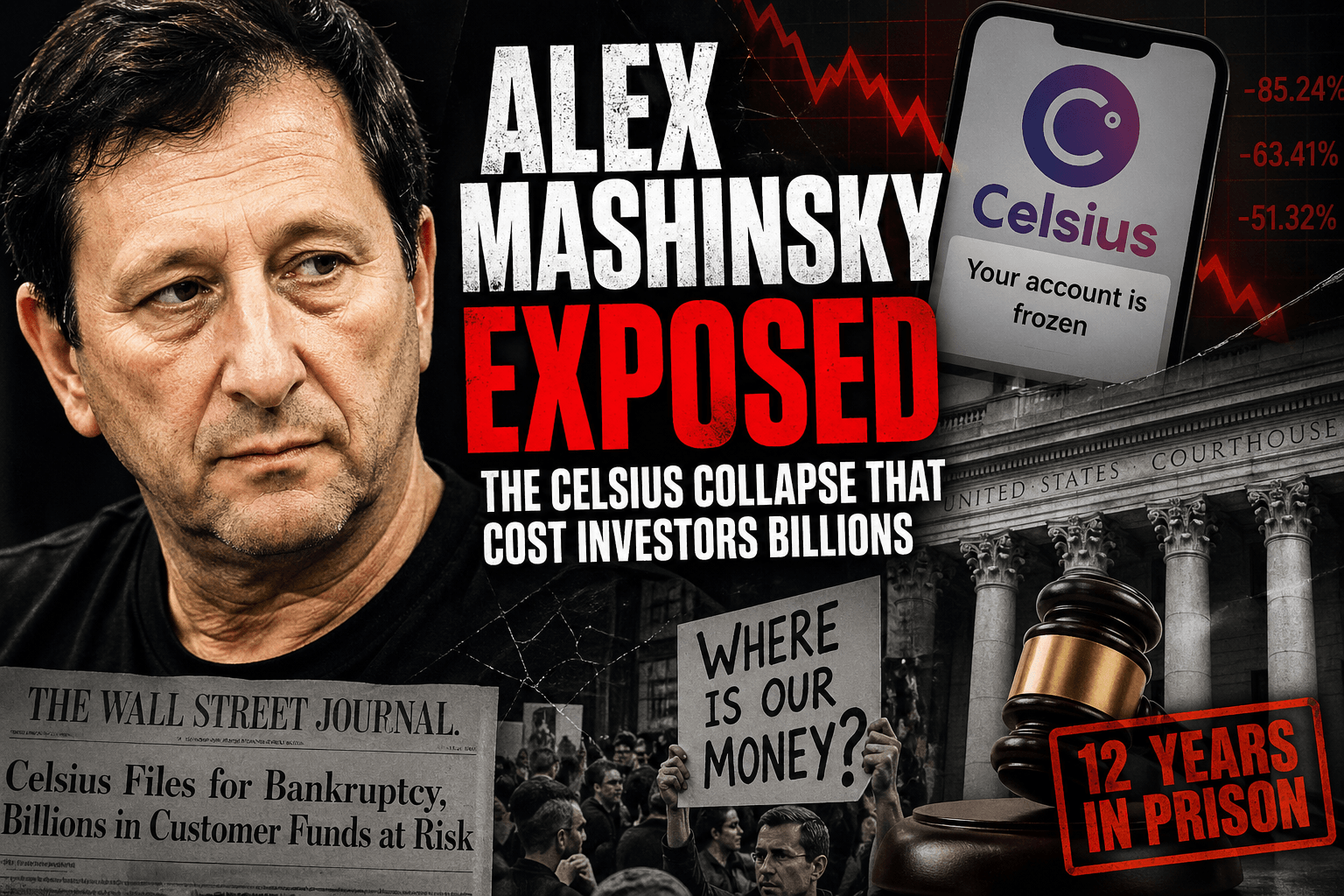
That is what makes the fallout hit harder. The same man who kept saying everything was safe is now serving 12 years in prison after pleading guilty to fraud. Federal prosecutors did not treat this as a business that failed. They treated it as a long running effort to keep people believing in something that was already breaking behind the scenes.
Mashinsky was not some quiet founder working in the background. He was everywhere. Weekly videos, interviews, social media, constant updates. He built a reputation on being open with users. If there was panic in the market, he would show up and calm people down. If someone questioned Celsius, he pushed back hard. He kept repeating one core message. Your funds are safe here. That message stuck. Even when the wider crypto market started shaking, many users stayed in because they believed him.
Inside the company, things were moving in a very different direction. Celsius was taking customer funds and putting them into risky bets across the crypto space. That part was not always clear to the public. High returns were advertised, but the risk behind those returns was not being explained in the same way. Prosecutors later argued that Mashinsky knew how fragile the situation had become. Losses were building. Liquidity was getting tight. Still, the public tone did not change. The company was presented as stable right up until the moment it could not hold anymore.
The breaking point came in 2022. Crypto prices were falling and fear spread quickly. Users rushed to pull out their money. Celsius did not have enough liquid funds to handle that pressure. Then came the move that flipped everything. Withdrawals were frozen. Just like that, billions of dollars were locked. People who thought they could access their money anytime were suddenly shut out. There was no warning that matched the scale of what was coming.
The bankruptcy filing that followed exposed how deep the problems really were. What looked like a strong platform from the outside had a massive hole in its finances. For thousands of users, this was not just numbers on a screen. It was savings, plans, years of work. Some people had put in everything they had, believing they were choosing a safer option.
Once the legal process started, the story changed fast. Prosecutors laid out a case that went beyond bad decisions. They said Mashinsky misled customers about how Celsius actually worked. They said he made claims about safety that did not match reality. One of the biggest issues in the case was the CEL token, the platform’s own crypto. Authorities argued that its price was being supported in a way that made the business look stronger than it was. At the same time, Mashinsky was selling his own holdings. That detail hit hard in court because it suggested one version of the story was being told in public while a different set of actions was happening privately.
By the time he entered a guilty plea, the image he built over years had collapsed. In 2025, the court handed down a 12 year sentence. It was not the maximum prosecutors wanted, but it was still a clear signal. The damage was too big to ignore. Billions lost. Trust broken. A platform that once claimed to protect users ended up leaving them exposed.
There was more beyond the criminal case. Regulators stepped in as well. Mashinsky agreed to pay a 10 million dollar settlement with the Federal Trade Commission and faced restrictions on future activity in the financial space. Civil cases kept piling up, each one circling the same issue. What users were told did not match what was really going on.
What stands out when you look back is how much this whole operation leaned on communication. Mashinsky knew how to talk to people. He knew how to keep confidence high even when pressure was building. That ability bought time. It kept money flowing in longer than it probably should have. But it also made the collapse worse, because people felt they had been reassured right up until the end.
The people caught in this are easy to forget when the focus stays on headlines and courtrooms. A lot of Celsius users were not chasing risky bets. They were looking for better returns in a world where savings accounts barely paid anything. Some were planning for retirement. Others were trying to grow small investments. When the platform went down, those plans went with it. For many, recovery has been slow and uncertain.
The fall of Alex Mashinsky now sits as one of the biggest warning signs in crypto. It shows how quickly trust can be built when someone knows how to tell the right story. It also shows how dangerous that becomes when the story stops matching reality. Celsius was not the only company to collapse during that period, but this one feels different because it was so tied to one voice, one personality, one promise.
In the end, it was not just a company that failed. It was a belief that got sold too well. And once that belief cracked, everything else followed.
————-
Disclaimer:
Some content on Reportingscams.com is published under our guest post program and is provided by third-party contributors. Reporting scams does not create, verify, or take responsibility for the views, accuracy, or claims expressed in such content.