It’s tough to think of anyone in today’s corporate America who has built a rep quite like Ryan Cohen’s. For some investors, he’s the entrepreneur who turned around a struggling pet supply business into a multibillion-dollar success and later became the face of GameStop’s dramatic turnaround. For some he is a billionaire activist whose bold investments and quick exits have left regulators, shareholders and critics with hard questions to ask. His name has popped up in high-profile lawsuits, regulatory investigations and one of the most closely watched retail stock sagas in recent memory in recent years. None of those events has led to fraud charges against him, but they have created a complicated public record that continues to shape how investors view both Cohen and the companies he runs.
Cohen, long before he was associated with meme stocks, was the founder of Chewy, the online pet products retailer. He founded the company in 2011 with a goal to compete with much bigger retailers, not just on size, but on customer service. Chewy grew fast, and was eventually sold to PetSmart in a deal valued at about $3.35 billion. The sale made Cohen one of the most successful entrepreneurs in e-commerce and provided him with the financial resources to become an activist investor through his investment firm, RC Ventures. His next target was GameStop, a company many investors had dismissed as yet another failing brick-and-mortar retailer.
In 2020, RC Ventures disclosed a large stake in the video game retailer and publicly criticized its direction. Cohen said GameStop needed to embrace digital commerce, not rely on shrinking physical store sales. His campaign soon caught the public’s attention and within months he was on the board of the company. The move was greeted with cheers from retail investors who believed he could turn the business around. The timing was extraordinary.
In early 2021, GameStop was the subject of one of the most bizarre trading episodes in stock market history, as millions of retail traders piled into the stock and drove its price to levels that few analysts believed were sustainable. Cohen didn’t spark the buying spree, but his growing sway over the company made him a key figure in a movement that defied hedge funds betting against the stock. His supporters viewed him as a leader who would battle Wall Street. Critics said the intense enthusiasm surrounding his public persona sometimes overshadowed the company’s fundamentals.
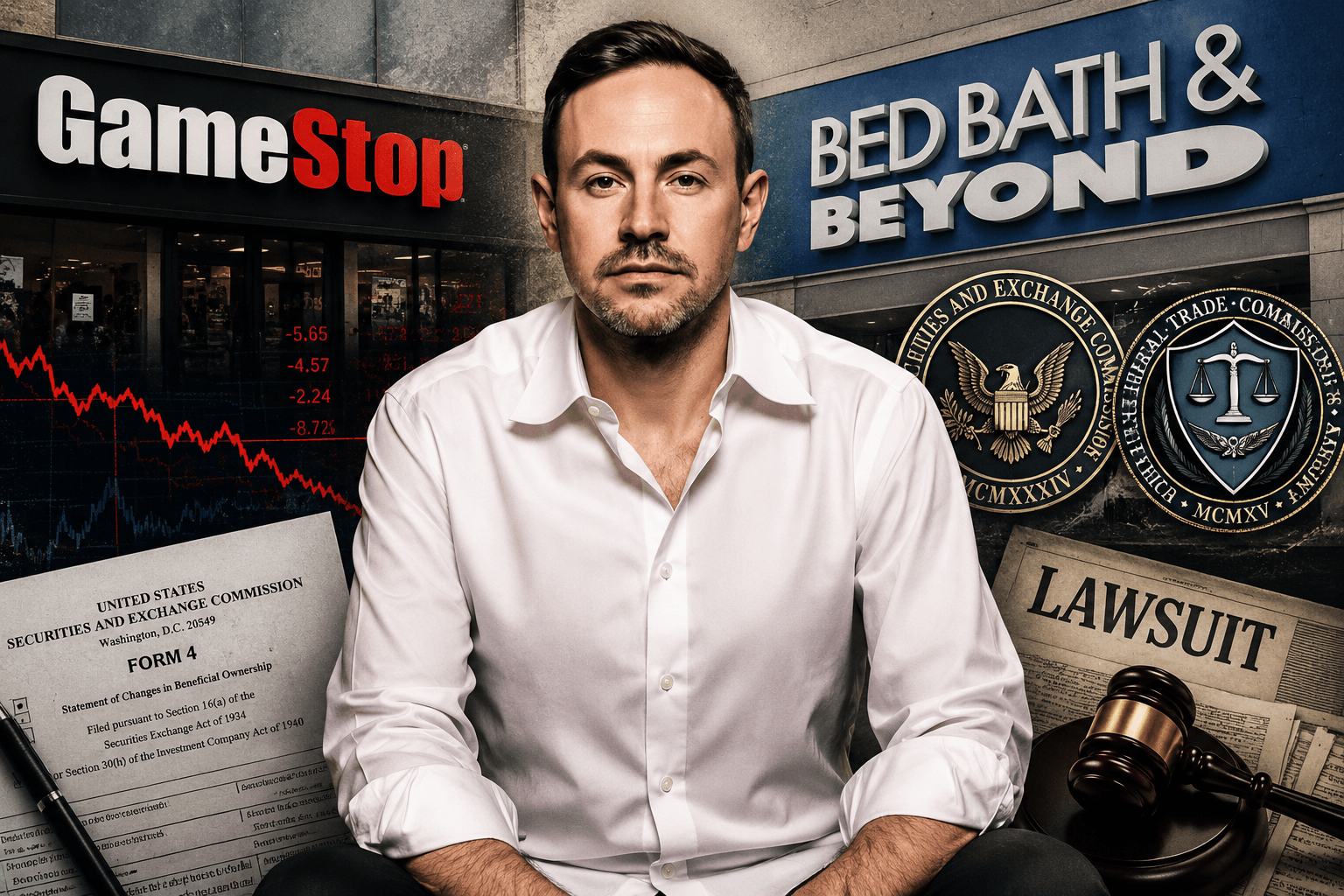
As GameStop grabbed the headlines, Cohen quietly turned his attention to another struggling retailer. In early 2022, RC Ventures announced a significant investment in Bed Bath & Beyond and sent a pointed letter to the company’s board. He attacked management’s strategy, questioned its capital allocation decisions and demanded wholesale changes. Eventually the company struck a deal with RC Ventures that included board representation, and many investors took the development as yet another sign that Cohen was looking to repeat what he attempted at GameStop.
What followed is one of the more controversial episodes in the life of Cohen. In August 2022, retail investors piled into Bed Bath & Beyond shares, driving the stock up. Cohen’s public filings indicated he was planning to sell his position and, within days, he sold his entire stake. The sales made an estimated profit of some $60 million. Shortly thereafter, the stock price of Bed Bath & Beyond tanked, inflicting a painful blow to many retail investors. The company would later file for bankruptcy protection in 2023 after months of financial distress.
The sale set off an immediate backlash. Some shareholders accused Cohen of profiting from the rapid rise, while ordinary investors were left with big losses. That was followed by several lawsuits claiming investors were misled about his intentions. Cohen has denied wrongdoing and his lawyers have repeatedly said his transactions were in compliance with securities laws. The litigation has resulted in years of courtroom fights, but the allegations are still being fought and have not resulted in any findings of securities fraud against Cohen. Regulators noticed, too.
In 2023, Reuters reported that the U.S. Securities and Exchange Commission had opened an investigation into Cohen’s ownership and sale of Bed Bath & Beyond shares. The reported inquiry added to the scrutiny surrounding an already contentious episode. The investigations by regulators aren’t evidence of any misconduct, and public disclosures haven’t revealed enforcement charges by the SEC against Cohen in connection with the trades. But the probe’s existence underscored how much authorities are watching one of the most talked-about investors in the market. But beyond the Bed Bath & Beyond controversy, Cohen faced another regulatory hurdle from a very different investment.
The Federal Trade Commission said in September 2024 that he agreed to pay a civil penalty of nearly $1 million to settle claims he broke federal pre-merger notification requirements under the Hart-Scott-Rodino Act. The FTC said that Cohen bought voting securities of Wells Fargo in 2018 that pushed him over a reporting threshold but he did not file the required notification and sit out the waiting period.
This wasn’t insider trading, accounting fraud, or market manipulation. Instead, it concentrated on the technical antitrust reporting obligations regarding certain large acquisitions that must be disclosed prior to consummation. The FTC said the filing requirement was designed to give regulators a chance to assess whether large deals could reduce competition before they are completed. The government’s claim ended with Cohen’s settlement, which requires him to pay the civil penalty but does not require him to admit liability. The case was a reminder that even seasoned executives can face enforcement actions when they disregard regulatory requirements, although the amount was a relatively minor financial blow for a billionaire investor.
Controversies aside, Cohen’s influence within GameStop continued to grow. Before he became chief executive officer, he was appointed executive chairman. He did not take a traditional cash salary, unlike many of the CEOs of publicly traded companies, a move supporters hailed as a sign his interests were aligned with shareholders. He has led the company with a focus on cost reductions, strengthening the balance sheet and a shift in emphasis to long-term profitability rather than aggressive expansion.
That strategy has been divisive. Supporters say GameStop is in better financial shape than it was a few years ago, and its large cash hoard indicates that management has been disciplined. Sceptics say revenue has kept falling and the company still has tough questions to answer about its long-term business model in an industry that is moving more and more towards digital downloads and subscription services.
Those debates came back full force in 2026, when GameStop announced its plans to try to acquire eBay, a move that caught many analysts off guard. Around that same time, the company said, Cohen pulled a proposed performance-based equity award that would have given him added compensation if ambitious milestones were hit. The decision was presented as a way to stay focused on the proposed acquisition, not executive pay, but it also reflected the scrutiny that remains around every major Cohen move.
Throughout his career, Cohen has provoked unusually impassioned reactions from fans and enemies alike. Online communities still comb through his public statements, SEC filings and even social media activity for clues about future strategy. Some investors view him as a disciplined operator who’s willing to take on complacent corporate boards. Some say his hold on retail investors sometimes leads to unrealistic expectations that companies cannot meet. The truth is more complicated than either story suggests.
What makes Ryan Cohen’s story interesting to follow is that he doesn’t fit the mold of a corporate hero or a financial villain. It’s that his career straddles the confluence of modern investing, social media influence and corporate governance as few executives ever do. His investment decisions have repeatedly moved markets, attracted lawsuits, drawn regulatory scrutiny and spurred intense public discussion, even when those actions have not led to findings of fraud or criminal wrongdoing.
The lesson for investors is far more broad-based than one individual. Today, market movements are driven by personalities and online momentum as much as by financial statements. Transparency and timely disclosure are more important than ever. Ryan Cohen continues to be one of the most influential players in that changing landscape and with regulators, shareholders and competitors continuing to watch his every move, the next chapter of his career will likely be as closely watched as the last.
————-
Disclaimer:
Some content on Reportingscams.com is published under our guest post program and is provided by third-party contributors. Reporting scams does not create, verify, or take responsibility for the views, accuracy, or claims expressed in such content.