When Changpeng Zhao started Binance in 2017, most people outside crypto had never heard his name. Within a few years, he had become one of the richest men in the digital asset industry, controlling the world’s biggest cryptocurrency exchange and influencing billions of dollars with a single post online. To crypto traders, CZ was the face of financial freedom. To regulators, he eventually became the symbol of an industry that grew too fast, too rich, and too comfortable operating outside the rules.
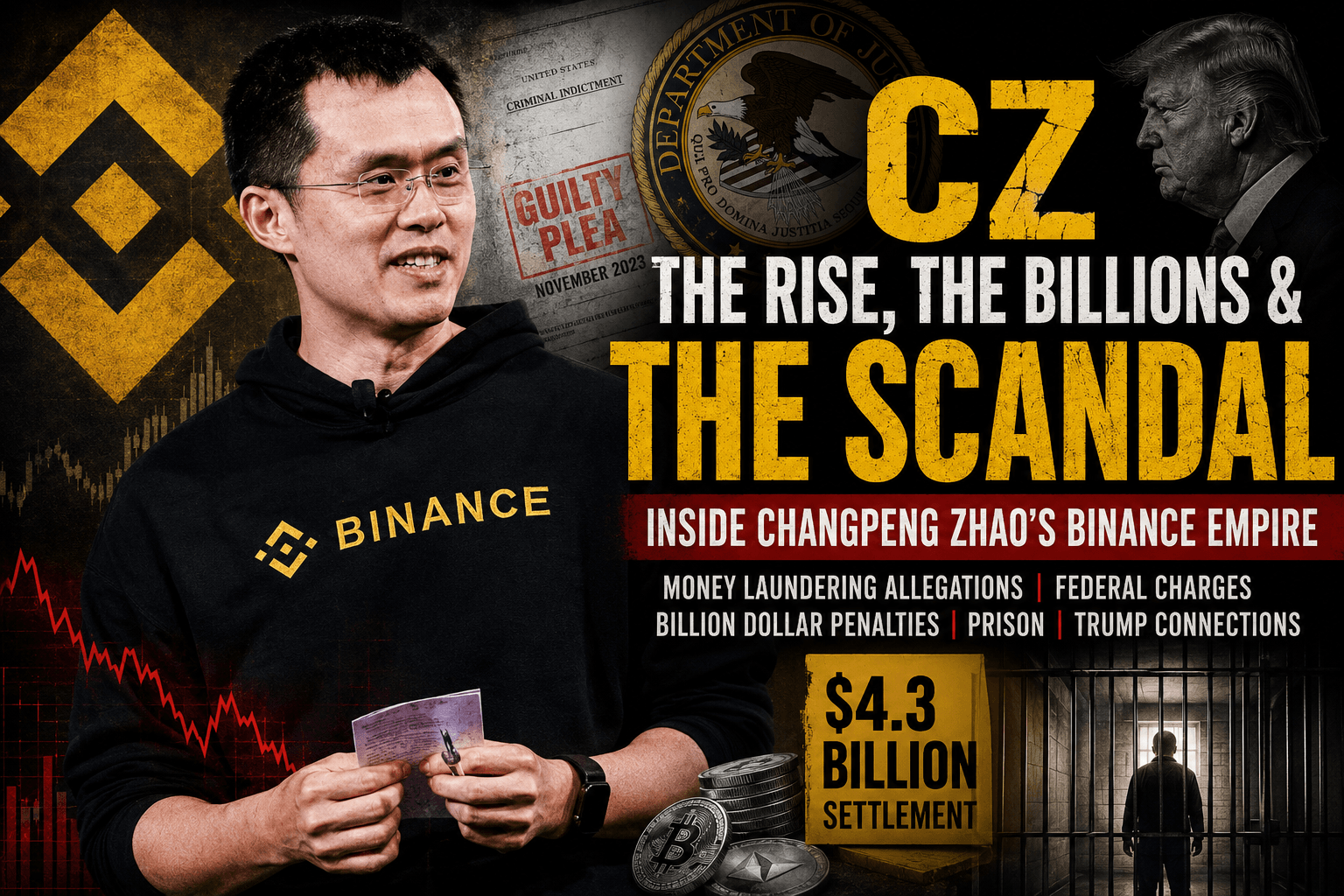
The downfall did not happen overnight. It came after years of warnings, investigations, leaked internal messages, lawsuits, and accusations that Binance had turned itself into a global platform where massive money flows moved with little oversight. In November 2023, U.S. authorities finally forced the company and Zhao into one of the largest financial settlements in American history. Binance agreed to pay more than $4.3 billion after federal prosecutors accused the exchange of violating anti money laundering laws and sanctions regulations. Zhao personally pleaded guilty and later served four months in prison.
For a man once treated like crypto royalty, it was an extraordinary collapse.
Before Binance, Zhao worked in software and trading systems after moving from China to Canada as a child. People who knew him from the early crypto days often described him as intensely ambitious and obsessed with speed. That mindset became the foundation of Binance. While traditional financial companies spent years dealing with licenses and regulations, Binance expanded aggressively into market after market, often operating in legal gray areas before regulators could react.
The exchange exploded during the crypto boom because it gave users exactly what they wanted. Fast trading. Hundreds of tokens. Few questions asked. Millions of people signed up. Billions started flowing through the platform daily. But critics say the same loose structure that helped Binance grow also created the conditions for abuse.
According to U.S. prosecutors, Binance failed to properly monitor suspicious transactions and allowed users from sanctioned countries, including Iran and Syria, to continue accessing the platform. Authorities said the exchange processed transactions tied to darknet markets, ransomware groups, and other criminal activity while lacking proper anti money laundering controls.
Some of the most embarrassing details came from internal company communications revealed during investigations. Prosecutors pointed to messages where employees allegedly joked about criminals using the exchange. Those revelations badly damaged Binance’s public image because they made the company look less like an innovative tech platform and more like a business willing to overlook serious risks as long as trading volume stayed high.
The SEC then opened another major front against Zhao in 2023. Regulators accused Binance and Zhao of misleading investors and secretly controlling Binance.US while publicly claiming it operated independently. The complaint also alleged customer funds were mixed through entities linked to Zhao, creating fears about how safely user assets were actually being handled.
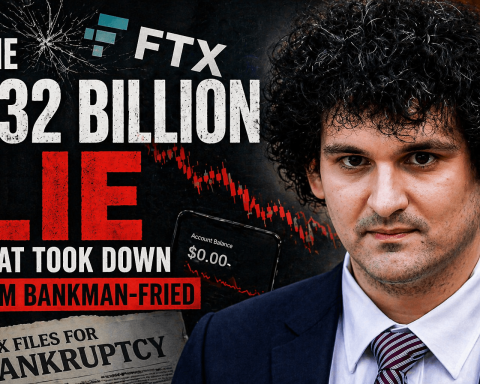
Around the same time, Zhao became deeply connected to one of the biggest collapses in crypto history — FTX.
In late 2022, CZ publicly announced Binance would sell its holdings of FTT, the token tied to Sam Bankman Fried’s FTX exchange. The announcement triggered panic across the market. Within days, FTX collapsed into bankruptcy. While many praised Zhao for exposing weaknesses inside FTX, critics argued he used Binance’s size and influence to help destroy a major rival while presenting himself as the responsible figure in crypto.
But the pressure around Binance kept building.
Countries including the United Kingdom, Canada, Japan, and the Netherlands either investigated Binance or issued warnings about its operations. Regulators repeatedly questioned where the company was actually based because Binance spent years avoiding a clearly defined headquarters. That structure frustrated authorities trying to hold the company accountable.
Then came the guilty plea.
In April 2024, Zhao was sentenced in the United States after admitting he violated anti money laundering laws. Prosecutors wanted a tougher punishment, arguing Binance’s failures exposed the financial system to serious criminal abuse. The judge ultimately gave Zhao four months in prison, a sentence many critics considered light given the scale of the allegations and the billions Binance earned during its rise.
Even after prison, Zhao remained massively wealthy. His crypto holdings and Binance stake kept him among the richest figures in tech and finance. That became another point of frustration for critics who believe billionaire executives rarely face consequences proportional to the damage connected to their companies.
As crypto became increasingly important in American politics, Trump and several figures close to him started openly supporting the industry. Reports later emerged linking Binance related discussions and crypto events to Trump aligned business networks. Zhao himself appeared at high profile gatherings connected to Trump associates and major crypto investors after his legal troubles.
Then came reports that Zhao had received a presidential pardon tied to his conviction after Trump returned to power. The pardon triggered immediate backlash because critics argued it showed how wealthy crypto executives were gaining political protection despite serious criminal cases. Supporters claimed Zhao had already paid the price and that the crypto industry was unfairly targeted by regulators under the Biden administration.
The growing relationship between crypto billionaires and political power became impossible to ignore. Binance had already spent years fighting regulators, lobbying governments, and building influence globally. Trump’s pro crypto shift suddenly gave figures like Zhao a far friendlier political environment than they faced during earlier crackdowns.
Today, Zhao claims he is no longer involved in Binance’s daily operations. Publicly, he talks more about education, blockchain innovation, and investments. But his influence over crypto remains enormous. Traders still react to his comments. Investors still watch his moves. And Binance remains one of the largest exchanges in the world despite criminal admissions, lawsuits, and years of controversy.
For many people, the CZ story captures the entire crypto era in one person. Huge promises. Massive wealth. Regulatory chaos. Billion dollar settlements. Political connections. And ordinary users caught somewhere in the middle trying to figure out whether the system was ever truly built to protect them in the first place.
Changpeng Zhao may no longer run Binance publicly, but the questions surrounding how the exchange built its power and who ultimately benefited from it are far from over.
————-
Disclaimer:
Some content on Reportingscams.com is published under our guest post program and is provided by third-party contributors. Reporting scams does not create, verify, or take responsibility for the views, accuracy, or claims expressed in such content.