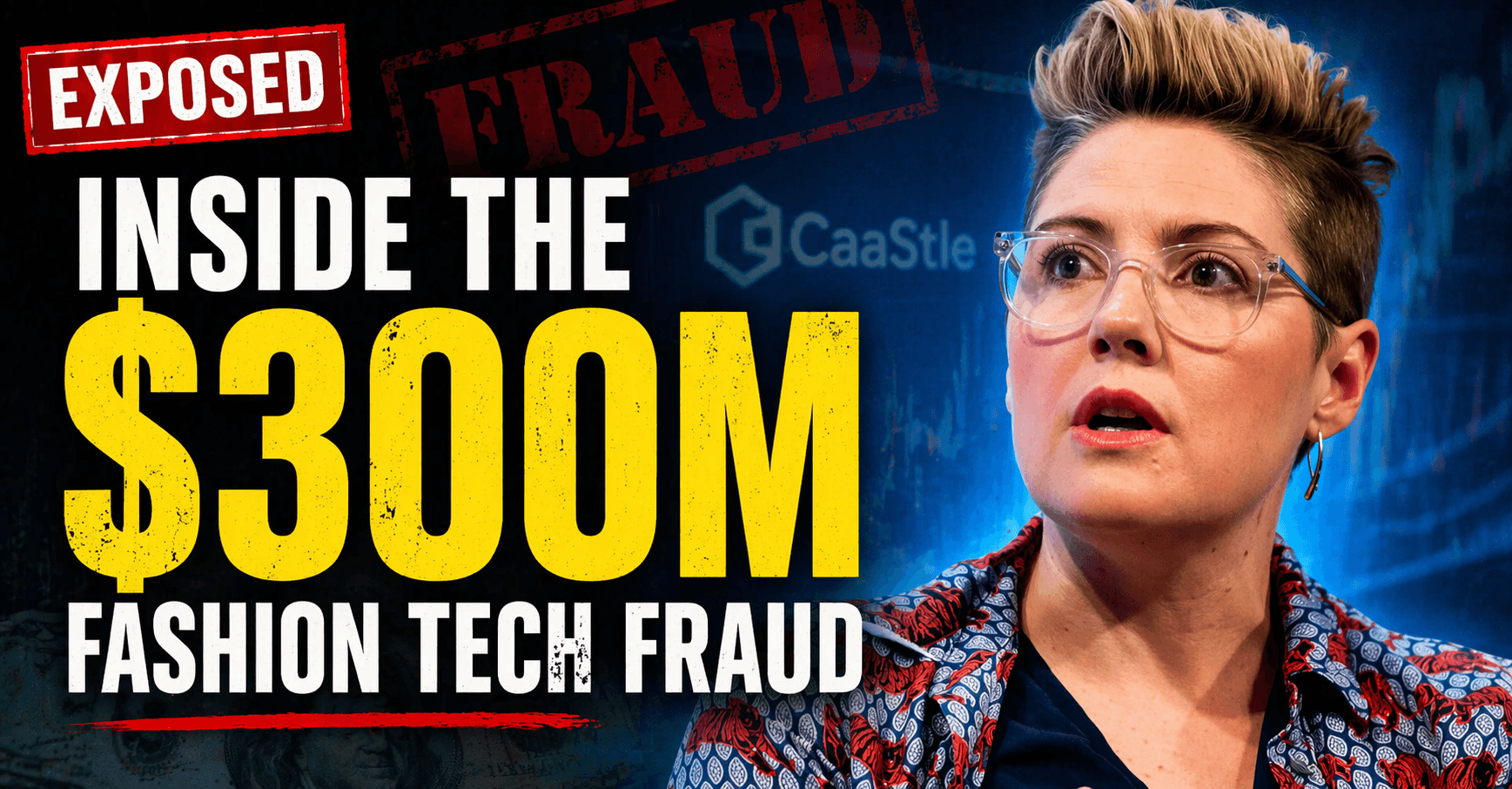
For a while, Christine Hunsicker had a story that worked. It was easy to understand. Fashion brands had too much unsold inventory, and her company, CaaStle, would help turn that into revenue using data and rental models. It sounded practical and felt like something the industry actually needed, which is why investors leaned in and money kept coming in without much hesitation.
For a long time, no one really stopped to question how solid it all was, but that changed in 2026 when federal prosecutors stepped in and laid out a very different picture. According to the U.S. Attorney’s Office for the Southern District of New York, Hunsicker misled investors about the financial condition of CaaStle, with the case tied to roughly $300 million. She has pleaded guilty, and that one admission flipped the entire story.
Hunsicker was not an unknown founder trying to get attention. She had already built a name for herself with Gwynnie Bee, a plus size clothing rental company that gained traction when few others were focusing on that space. That early success helped her build trust in the industry, so when she launched CaaStle, people paid attention and took the pitch seriously.
The idea felt like a natural step forward. This was not about selling clothes directly but about building the system behind it, where brands could plug in, move excess inventory, and generate recurring income. It sounded efficient and scalable, which made it easier for investors to believe in it.
From the outside, things looked steady. The company appeared to grow, the model made sense for where retail was heading, and investors kept backing it. Each round made the company look more credible than the last, reinforcing the belief that everything was working as expected.
But prosecutors say the numbers behind that story did not reflect reality. According to the charges, Hunsicker presented financial information that made the business appear stronger than it actually was, with revenue and performance data shown in a way that supported continued fundraising. That helped keep the cycle going longer than it should have.
This was not a one time issue. It happened over time, across different rounds and with different investors involved. The company kept moving forward while the gap between perception and reality continued to grow.
That gap is what this case is really about. Investors believed they were funding a working platform with real traction, but what they saw, according to authorities, did not match what was actually there. The idea itself was believable, but the numbers behind it were not.
The pattern is not new. A strong story pulls people in, and the data appears to support it, which leads investors to move quickly because they do not want to miss out. Over time, the funding itself becomes proof that the business is real, and fewer people stop to ask harder questions.
That works until something cracks, and in this case the cracks started showing when financial inconsistencies came up. Once that happened, more attention followed, and the deeper people looked, the harder it became to ignore what was not lining up.
Authorities stepped in soon after, charges followed, and the case moved forward quickly. The guilty plea confirmed what investors had started to suspect, that the version of CaaStle they believed in was not accurate.
The damage is not just about money, even though the numbers are large. Investors now have to deal with losses tied to a company that did not match its own pitch, while partners who relied on the platform are left adjusting their plans. Some had already built parts of their operations around it, which makes the impact harder to contain.
There is also the reputational side, and being connected to a case like this tends to stay for a long time. Beyond that, it raises bigger questions about how this moved through multiple funding rounds without being stopped, how much checking actually happened, and how much was based on trust in the founder and the story.
Fashion tech is not usually where cases like this show up, which is part of what makes it stand out. CaaStle was presented as a fix for a real problem in retail, and it attracted attention because the idea made sense, but according to federal authorities, the foundation behind it was not what it seemed.
In the end, it comes down to something simple. A story people wanted to believe lasted long enough to bring in $300 million, and by the time the truth caught up, the damage was already done.
————-
Disclaimer:
Some content on Reportingscams.com is published under our guest post program and is provided by third-party contributors. Reporting scams does not create, verify, or take responsibility for the views, accuracy, or claims expressed in such content.