Inside the Rise and Fall of Charlie Javice
It started like every Silicon Valley dream story. A young founder, a clean mission, a product that promised to make life easier for millions of students. Charlie Javice built that image carefully. She spoke about fixing the broken financial aid system. She positioned herself as someone helping students navigate college costs. Investors bought into it. Media amplified it. JPMorgan Chase paid $175 million to acquire it.
But behind that polished story, prosecutors say something else was happening. Something much simpler. Inflate the numbers. Sell the illusion. Cash out before anyone checks too closely.
That illusion is what eventually unraveled into one of the most talked about fintech fraud cases in recent years.
Who is Charlie Javice?
Charlie Javice was known as the founder of Frank, a fintech platform designed to simplify the college financial aid application process. The company positioned itself as a tool that helped students complete FAFSA forms faster and access funding options with less confusion.
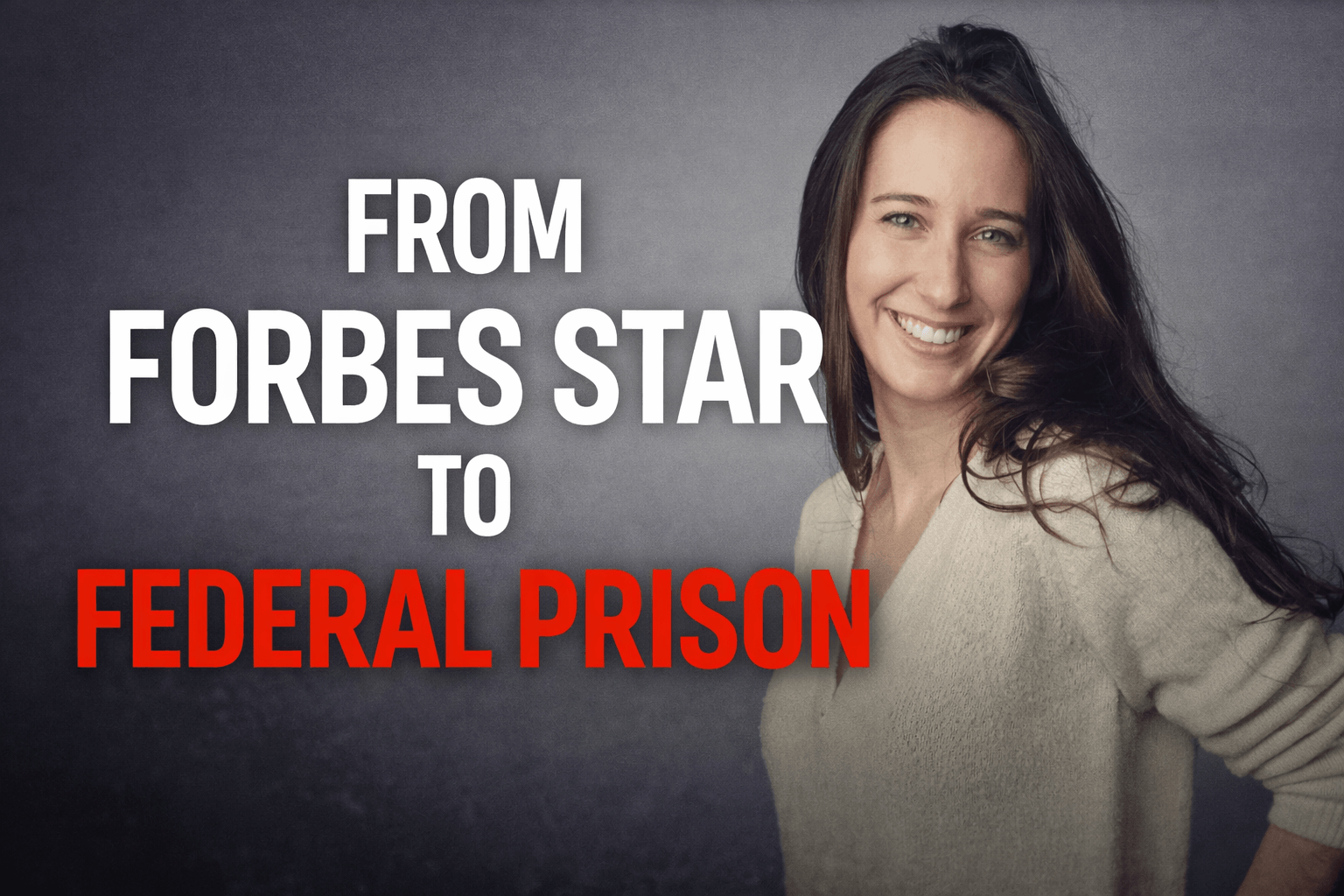
She became a familiar name in startup circles. Forbes listed her in its 30 Under 30. Investors backed her vision. Frank was marketed as a fast growing platform with millions of users. That growth story became the core of everything that followed.
Because without that growth, there was no deal.
The Company That Sold a Story
Frank was not just a product. It was a narrative. A clean one.
A platform helping students. A founder solving a real problem. A startup scaling quickly. That combination made it attractive to large institutions looking to tap into younger users.
JPMorgan Chase saw that opportunity. The bank wanted access to student customers. Frank appeared to offer exactly that. Millions of users ready to be onboarded into a financial ecosystem.
The deal closed in 2021. $175 million. On paper, it looked like a strategic acquisition.
But the numbers behind that decision would soon become the center of a federal case.
The Allegations That Changed Everything
According to the US Department of Justice and multiple court filings, the core allegation was simple.
The user base was not real.
Javice allegedly claimed that Frank had more than four million users. Prosecutors later said the actual number was closer to a few hundred thousand. That gap is not a rounding error. That is the entire valuation.
To support those claims, prosecutors say she turned to fabricated data. When JPMorgan requested proof of users, the response was not organic platform data. Instead, a dataset was allegedly created to simulate millions of customers.
Emails sent by the bank to those users began bouncing back. That is when the story started to collapse.
What was presented as growth turned into evidence.
Modus Operandi Behind the Fraud
The pattern that emerges from the case is not complex. It is direct.
Build credibility through branding and media recognition. Secure investor trust through narrative. Inflate metrics that cannot be easily verified at scale. Provide supporting data when challenged. Close the deal before deeper audits expose inconsistencies.
Prosecutors argued that this was not a misunderstanding or a startup miscalculation. It was a deliberate attempt to mislead one of the largest banks in the world.
The use of a data scientist to generate synthetic user lists became one of the most damaging elements in court. It showed intent. Not optimism. Not projection. Intent.
The Legal Case and Conviction
The case moved quickly once JPMorgan filed its lawsuit and federal authorities stepped in.
Charlie Javice was charged with securities fraud, wire fraud, bank fraud, and conspiracy. The trial brought out internal communications, data discrepancies, and testimony around how the user numbers were presented during the acquisition process.
The defense tried to argue that JPMorgan had the resources to verify the data and failed to do so. That argument did not hold.
The court made it clear that poor due diligence does not excuse fraud.
She was convicted. The sentence came down to 85 months in prison. Just over seven years. The financial penalties included significant restitution tied to the $175 million deal.
JPMorgan’s Role and the Bigger Question
One of the more uncomfortable parts of this case is not just what Javice did. It is how easily it worked.
JPMorgan is not a small firm. It is one of the most sophisticated financial institutions in the world. Yet it relied heavily on the data presented during the acquisition.
The judge even acknowledged the bank’s lack of thorough verification. But that did not shift the responsibility away from the fraud itself.
This raises a bigger issue. How many deals are built on metrics that are accepted without deep validation. How often is growth assumed to be real simply because it looks convincing on paper.
The Collapse of a Carefully Built Image
Charlie Javice was once seen as a symbol of modern entrepreneurship. A young founder tackling a meaningful problem. A fintech success story in the making.
That image did not fade slowly. It broke apart under scrutiny.
From Forbes recognition to federal conviction, the shift was extreme. The same narrative that helped build credibility became the backdrop of the case against her.
The story now is not about innovation. It is about manipulation of trust.
What This Case Really Exposes
At its core, this is not just about one founder.
It is about a system that rewards growth over verification. A culture where numbers carry more weight than substance. A deal environment where speed often beats scrutiny.
Charlie Javice did not just sell a company. Prosecutors argue she sold a version of reality that did not exist.
And for a while, it worked.
Until it didn’t.
Source:
https://evanepstein.substack.com/p/charlie-javice-gets-seven-years-lessons
https://www.justice.gov/usao-sdny/pr/startup-ceo-charlie-javice-sentenced-85-months-prison-175-million-fraud
https://www.reuters.com/world/entrepreneur-charlie-javice-sentenced-over-seven-years-defrauding-jpmorgan-2025-09-29/
https://www.theguardian.com/us-news/2025/sep/29/charlie-javice-sentence-jpmorgan?utm_source=chatgpt.com
https://www.businessinsider.com/javice-judge-chides-jpmorgan-chase-stupidity-fraud-matters-more-2025-9
————-
Disclaimer:
Some content on Reportingscams.com is published under our guest post program and is provided by third-party contributors. Reporting scams does not create, verify, or take responsibility for the views, accuracy, or claims expressed in such content.