Alberto Saniger Mantinan Sold a Future That Didn’t Exist
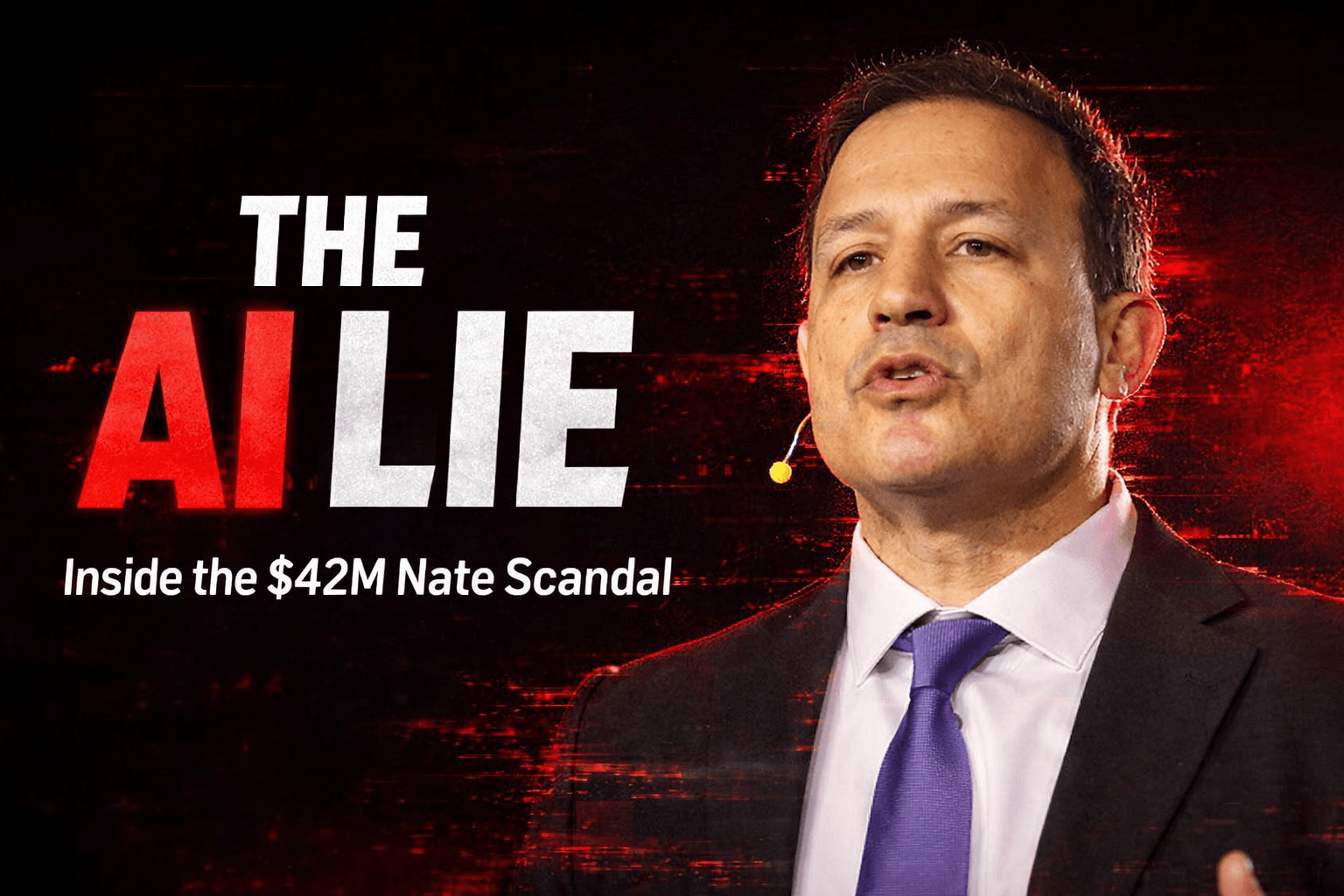
For a while, it looked like one of those clean Silicon Valley success stories. A founder with a big idea, a slick app, and a pitch that made investors lean forward. Tap once and the app buys anything online for you. No checkout pages, no forms, no friction. Just artificial intelligence doing everything in the background.
That story pulled in over 40 million dollars. Now regulators say the core of that story was never real.
Behind the branding, behind the demos, behind the confident claims about automation, the system was allegedly being run by people sitting behind screens, doing the work manually while investors were told it was AI.
This is where the rise of Alberto Saniger Mantinan starts to look very different.
Who is Alberto Saniger Mantinan?
Alberto Saniger Mantinan built his name as the founder and CEO of Nate, a New York startup that positioned itself as the future of online shopping. The idea was simple enough for anyone to understand and bold enough to sound like the next big thing.
You see something online, you tap a button, and the app handles the purchase for you. No need to fill in details. No need to go through multiple pages. The company claimed its artificial intelligence could do all of that instantly.
That promise helped him attract investors who were looking for the next breakout in AI driven commerce. The company raised tens of millions across funding rounds, with the belief that the technology underneath was real and scalable.
But the version investors were shown and the version that actually existed appear to be two very different things.
The Pitch That Worked Too Well
Saniger didn’t just sell a product. He sold a shift in how people would shop online.
Investors were told the system relied on machine learning models that could understand checkout flows across different websites. The app was described as self learning, getting better over time, removing the need for any human involvement.
It sounded like the kind of leap that could reshape e commerce.
That is what made the fundraising easier. The narrative was clean. The demos appeared smooth. The timing was perfect with AI becoming the hottest word in tech.
But regulators now say that what investors believed they were funding was not what was actually being built.
What Was Really Running the App
According to the SEC complaint, the automation that was being advertised simply was not there in any meaningful way.
Instead of artificial intelligence handling purchases, much of the work was being done manually. Orders placed through the app were routed to human workers who completed the transactions behind the scenes.
This was not a small gap between promise and reality. Authorities claim that during key periods when investors were being pitched, the actual level of automation was close to zero.
So while users thought they were watching AI in action, what they were actually seeing was human input timed to look like automation.
That difference is what turns a startup story into a fraud case.
How the Illusion Held Together
What stands out is how the system was allegedly kept looking real from the outside.
During demos, transactions appeared quick and seamless. Internally, staff were ready to jump in and complete orders manually if needed. That made the product look functional even when the underlying technology was not doing the work.
There are also claims that communication inside the company was controlled tightly. The real state of the technology was not something openly discussed with investors.
In some cases, certain users reportedly received faster handling so their experience would reinforce the idea that the system was fully automated.
All of this created a loop. The product looked like it worked. Investors saw what they expected to see. The funding kept coming in.
When It Started Falling Apart
The shift did not happen overnight. It started when questions began to surface about how much of the product was actually powered by AI.
Once those doubts became public, confidence dropped quickly. The company struggled to raise more funding. Without new capital, the model could not sustain itself.
By early 2023, Nate had shut down.
For investors, that meant losses running into tens of millions. For regulators, it triggered a deeper look into how the company had been presented during fundraising.
The Legal Fallout
In 2025, the SEC filed charges accusing Saniger of misleading investors about the core technology behind the company.
The case focuses on one central issue. Investors were told they were backing an AI driven system. Authorities say that claim was false.
Alongside the civil action, criminal charges were also filed, pointing to a broader allegation that the misrepresentation was not accidental.
Regulators have framed the case as part of a wider crackdown on what is now being called AI washing. That is when companies use the label of artificial intelligence to inflate their value or attract funding without having the technology to support those claims.
If proven, the consequences go beyond financial penalties. It can mean long term bans from operating in public markets.
A Pattern Bigger Than One Founder
This case is not happening in isolation. It sits right in the middle of a moment where AI has become the easiest story to sell.
Investors want exposure. Startups want funding. That creates pressure to present products in the best possible light. Sometimes that line gets pushed too far.
What makes this situation stand out is how clear the gap appears between what was promised and what was actually delivered.
It raises a simple question. How many other companies are leaning on the same narrative without being able to back it up fully.
Final Word
Alberto Saniger Mantinan built Nate on an idea that sounded like the future. A world where software removes effort and makes decisions for you in real time.
According to regulators, that future never existed inside his product. What existed instead was a system that depended on people doing the work quietly while the outside world was told it was artificial intelligence.
That gap is now at the center of a federal case.
And it leaves behind a familiar ending. Big promises, fast money, and a collapse that exposes what was really going on underneath.
Source:
https://www.sec.gov/enforcement-litigation/litigation-releases/lr-26282
https://www.securitieslitigation.blog/2025/05/artificial-intelligence-fraud-beware-of-succumbing-to-technologys-latest-fad/
https://www.jdsupra.com/legalnews/sec-enforcement-action-in-sdny-5306966/
https://www.jdsupra.com/legalnews/ai-in-the-financial-system-how-to-stay-5633458/
————-
Disclaimer:
Some content on Reportingscams.com is published under our guest post program and is provided by third-party contributors. Reporting scams does not create, verify, or take responsibility for the views, accuracy, or claims expressed in such content.