What’s really going on with Music Promo Today
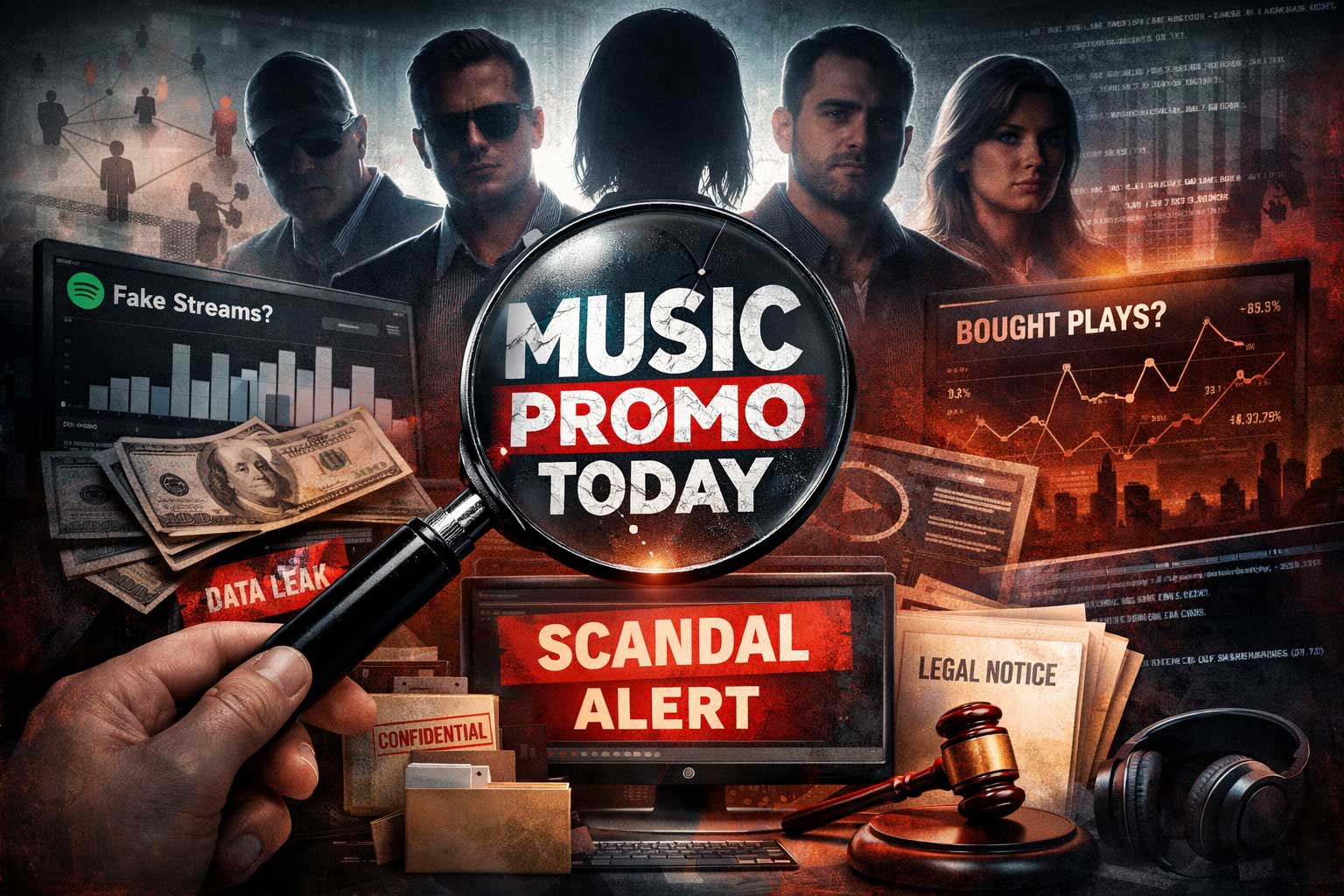
The noise around Music Promo Today has been building for a while now. At the center of it is a simple question that a lot of artists are quietly asking. Did they pay for real growth or just numbers that looked good on paper? The allegations say the agency charged heavy fees for promotion while leaning on artificial streaming. That includes bot driven plays and playlist placements that don’t quite add up. Some clients claim they spent big money but never saw genuine fan growth. Worse, a few say their tracks later ran into trouble with streaming platforms.
There is more to it than just performance complaints. The reports also talk about linked companies, unclear operations, and pushback against criticism. It has turned into a wider conversation about how music marketing works behind the scenes.
The image MPT built over the years
Music Promo Today, often called MPT, built its name as a premium music marketing agency. It positioned itself as a fast track for artists who want visibility without waiting years.

The face of the company is its founder and CEO, Michael Zammuto. Under his leadership, the agency pushed a global image. Clean branding, confident messaging, and big promises around growth.
Alongside him, several key figures are associated with the company’s operations and public positioning, including Anthony Katz, CEO, Raffi Keuhnelian, Co-Founder, Ryan Magda, Chief Sales, Michael Ghannoum, Executive, Stefan Spasov, Creative Director, Angelika Davtyan, PR, Ani Poghosyan, PR, and Robert Nagdalyan, Creative Director.
From the outside, it looked like a well oiled machine. Artists came in expecting serious reach and industry level exposure.
Where the story starts to shift
Things began to look different after reports from Music Scam Alert [ www.musicscamalert.com ] started circulating. Their investigation questioned not just results but how those results were being created.
Instead of straightforward marketing, the report hints at a more layered setup. One where execution might not fully match what clients were told upfront. That gap between promise and delivery is where most of the tension sits right now.
A web of connected companies
The investigation mentions a few names that keep popping up alongside Music Promo Today. iNexxus, Developpement de Logiciels TDA INC., and TDA Software Development INC. There is no clear public breakdown of how these entities are connected. But the report suggests they could be involved in the backend side of campaigns.
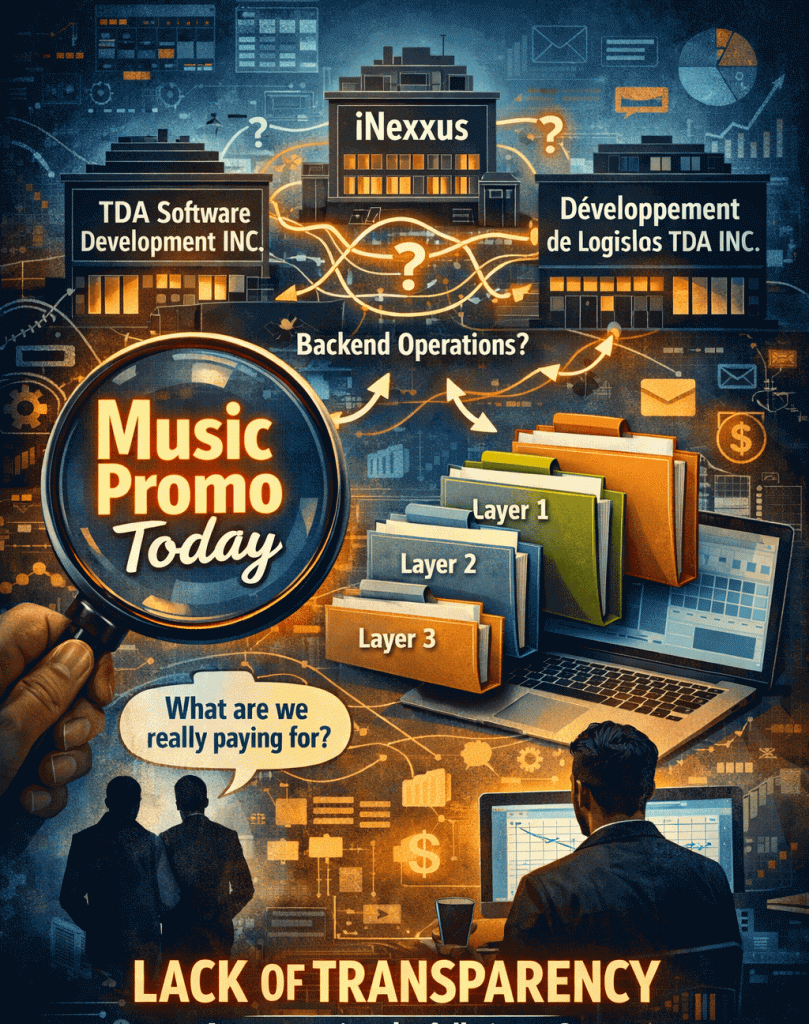
In digital marketing, using multiple companies is not unusual. It happens all the time. The concern here is about clarity. If work is being routed through different layers, clients may not really know what they are paying for.
Big money, unclear outcomes
One of the strongest points in the report is about pricing. Campaigns were not cheap. Some quotes ran into thousands of dollars, even touching tens of thousands. That level of spending usually comes with expectations. Real listeners, real engagement, some kind of lasting traction. But several claims suggest that did not always happen. Instead, growth looked inflated at first and then faded quickly. That kind of pattern often raises red flags in the streaming world.
The Spotify playlist claim that raised eyebrows
A key moment in the report involves conversations with a person identified as Ryan Magda. Over a series of messages, he allegedly discussed campaign pricing and what artists could expect.
One claim stands out. Guaranteed placement on major Spotify editorial playlists, including RapCaviar.
Anyone familiar with the industry knows how unusual that sounds. Editorial playlists are controlled internally by Spotify. They are not something agencies can simply sell access to. Because of that, this part of the story has drawn a lot of attention.
Artificial streaming and what it means
Another serious claim is that campaigns may have relied on artificial streaming. That could mean bot generated plays or low quality playlist networks designed to boost numbers quickly.
On the surface, it can look impressive. Streams jump, charts move, profiles appear active.
But platforms like Spotify and Apple Music are getting stricter. Their systems can detect unusual patterns. When that happens, tracks can disappear overnight or accounts can get flagged.
For an artist, that kind of hit can undo months of work.
When numbers drop and problems begin
Some artists linked to these campaigns reportedly saw exactly that. Sudden drops in streams. Tracks removed without warning. In a few cases, account level issues.
That turns a marketing spend into something much riskier. Not just wasted money, but possible damage to reputation and future releases.
Strong branding, tough questions
Despite all this, Music Promo Today still presents a polished image. Its online presence continues to highlight success stories and big results. That contrast is hard to ignore. On one side, a confident brand. On the other, a growing list of questions.
It shows how powerful presentation can be, especially in an industry driven by perception.
Legal pressure and takedown claims
The situation escalated after the investigation went public. According to the report, there were legal warnings sent to push for content removal. No confirmed lawsuits have surfaced so far. That has led some observers to believe the move was more about pressure than formal legal action.
There are also claims about copyright takedowns being used to remove critical content. If true, it suggests an attempt to manage the narrative rather than openly respond.
Allegations of retaliation
The most serious part of the report goes a step further. It claims critics were targeted using similar tactics to those described earlier. That includes artificial traffic or activity that could trigger platform penalties.
If accurate, it points to a system that can be used in two ways. Promotion on one side. Disruption on the other.
What we actually know so far
It is important to keep one thing clear. None of these claims have been proven in court. There are no official rulings confirming wrongdoing. Right now, this is an ongoing situation built on reports, documents, and statements that still need verification.
A bigger question for the music industry
Whether these claims hold up or not, the story taps into a larger issue. Music promotion today is deeply tied to data. Streams, playlists, engagement numbers.
That makes it easier to sell growth. It also makes it easier to fake it.
For artists, the line between real momentum and manufactured numbers is getting harder to see.
What happens next
The next step is simple in theory but harder in practice. Proof.
Financial records, vendor trails, direct client accounts. That is what will decide how this story ends.
Until then, Music Promo Today and the people around it remain under scrutiny. And for many artists watching from the sidelines, this case is less about one company and more about understanding what they are really buying into.
————-
Disclaimer:
Some content on Reportingscams.com is published under our guest post program and is provided by third-party contributors. Reporting scams does not create, verify, or take responsibility for the views, accuracy, or claims expressed in such content.